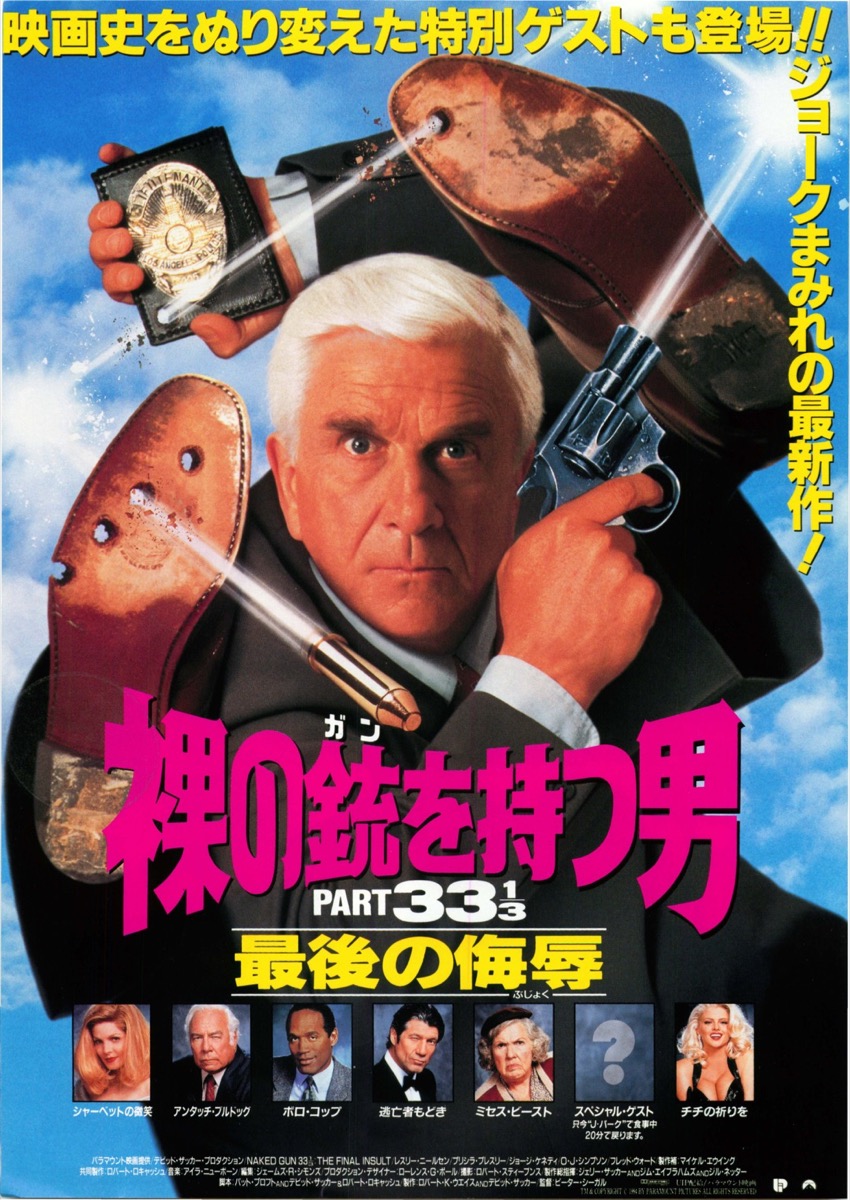
JP SUBS / 日本語字幕
THESE ARE NOT DOWNLOADS TO FILMS. ONLY SUBTITLES.
これらは映画のダウンロードではありません。字幕のだけです。
Public Service Announcement: The Furigana Problem in Fan-Distributed Japanese Subtitles
公共広告:ファンによって配布された日本語字幕におけるふりがな問題について
For over two decades, subtitle tracks have made film and TV collecting a genuinely
global hobby, letting viewers everywhere access content in languages they don't speak
natively. Many Japanese viewers of Western media prefer watching in the original audio
while reading subtitles, both for accuracy and as informal listening/reading practice.
This PSA explains a technical limitation in most unofficially distributed Japanese
subtitles that quietly affects that experience: the loss of furigana.
20年以上にわたり、字幕トラックのおかげで映画やテレビ番組の収集は本当に
世界規模の趣味となり、視聴者は誰でも自分の母語ではない言語のコンテンツに
アクセスできるようになりました。多くの日本人視聴者は、西洋メディアを
鑑賞する際、正確さのためや、リスニング・リーディングの練習として、
オリジナル音声で視聴しながら字幕を読むことを好む傾向があります。
この公共広告では、非公式に配布されている日本語字幕の多くに見られる、
あまり知られていない技術的な問題について説明します。それは「ふりがな」の
欠落です。
What Furigana Is and Why It Matters
ふりがなとは何か、なぜ重要なのか
Furigana is a reading-aid system built into written Japanese, where small characters are
placed above or beside a word to show its pronunciation or clarify its meaning.
Subtitlers use it specifically when a term carries wordplay, uses archaic vocabulary, or
includes an acronym/abbreviation unfamiliar in Japan (like "USAID" (United States Agency for International Development) or "MIL"(malfunction indicator lamp, or check engine light)). Without it,
a viewer can be left guessing at a word's reading or intended nuance, even though the
surrounding translation is otherwise accurate.
ふりがなとは、日本語の書記体系に組み込まれた読みの補助システムであり、
単語の上や横に小さな文字を配置することで、その発音や意味を明確にします。
字幕作成者は特に、原語のセリフに言葉遊びが含まれる場合、古語が使われている
場合、または日本国内で馴染みのない略語・頭字語(「USAID」や「MIL」など)が
使われている場合にふりがなを用います。ふりがながなければ、翻訳自体は正確
であっても、視聴者は単語の読み方や意図されたニュアンスを推測するしかなく
なってしまいます。
Text-Based vs. Image-Based Subtitle Formats
テキストベース字幕と画像ベース字幕の違い
Subtitles generally fall into two categories: plain-text formats (like SRT) and image-based formats (like PGS or VobSub), and this distinction matters a lot for furigana specifically.
- Streaming platforms (Netflix, Amazon, etc.) typically use XML or TTML2 formats, which support "ruby text"; meaning the technical term for rendering furigana on web players
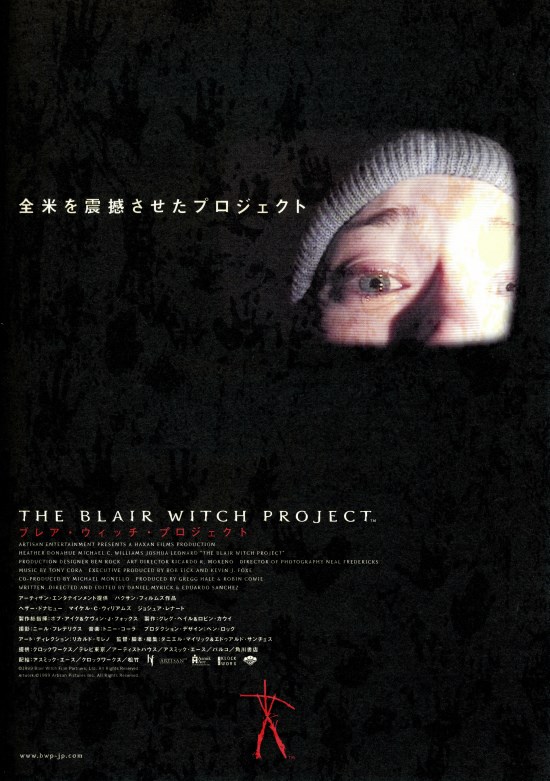
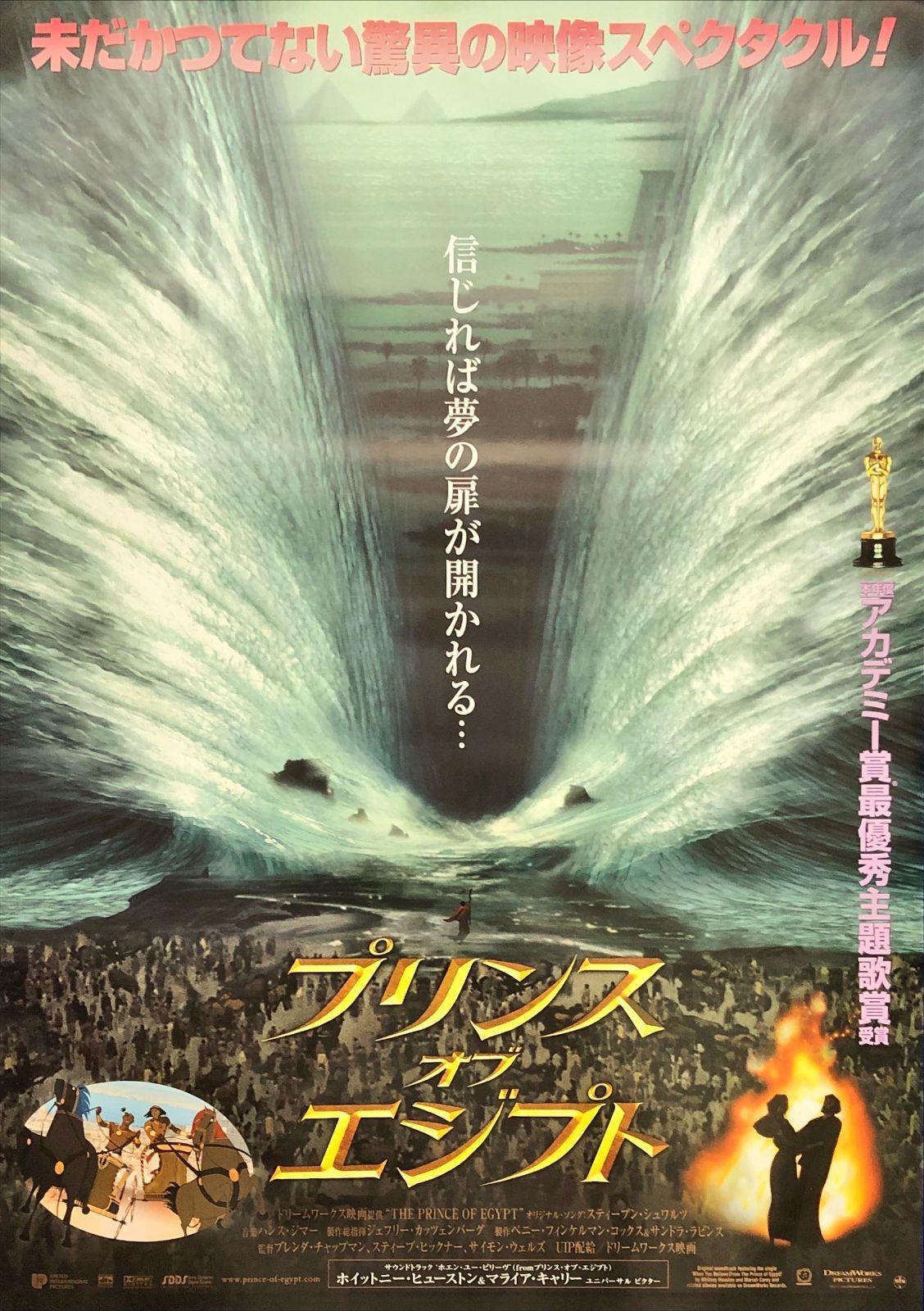
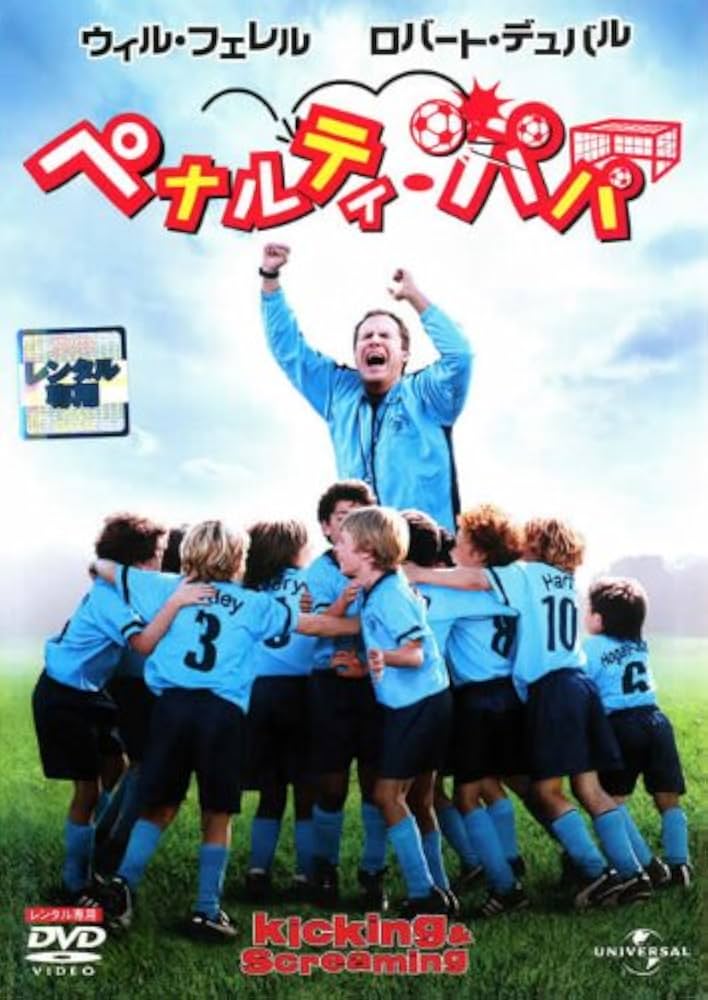
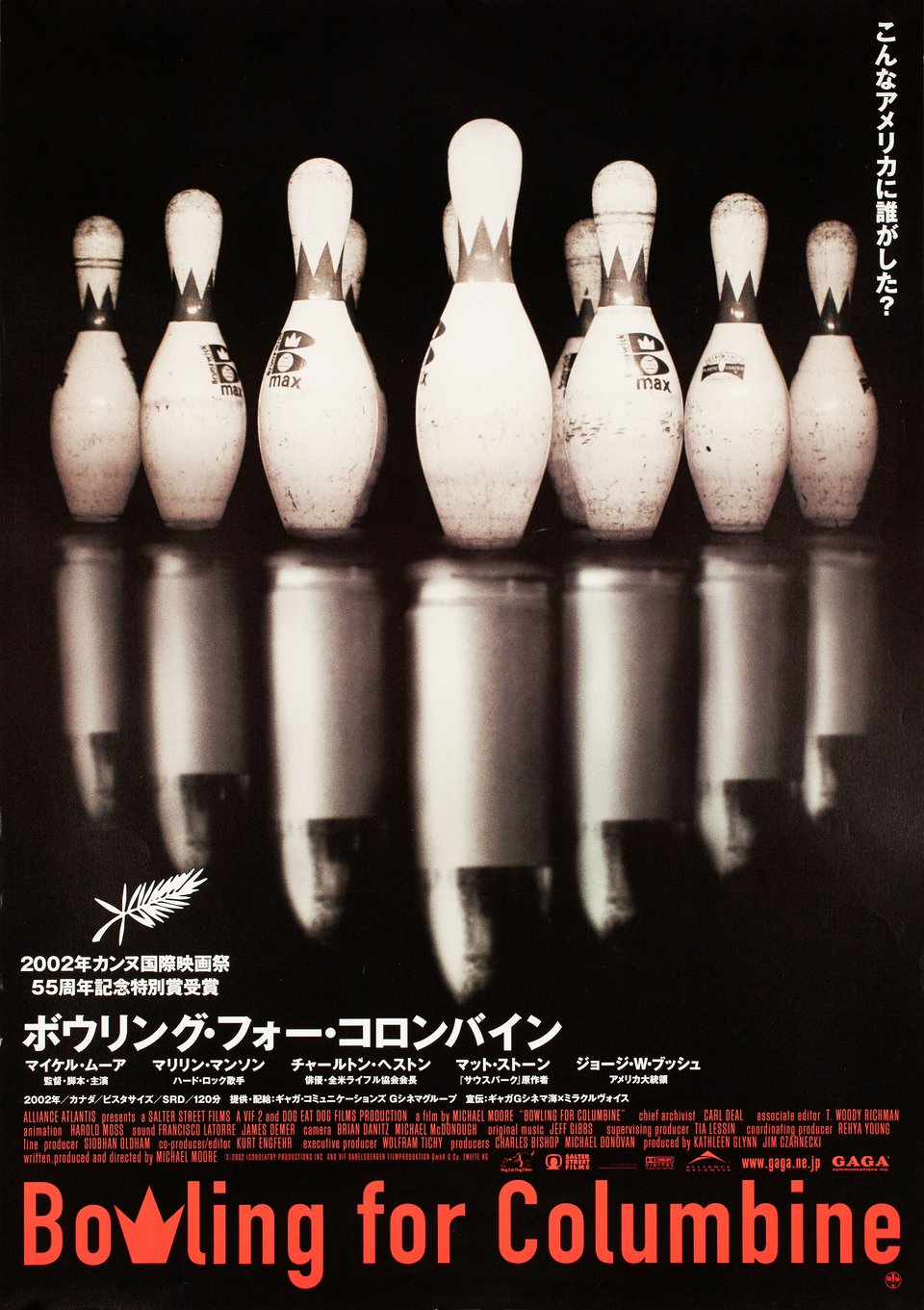
- Physical media (DVD/Blu-ray) uses image-based PGS or VobSub subtitles, which display furigana natively as part of the picture, with no special text rendering needed
- Most fan-distributed files use plain-text SRT, created via OCR, manual transcription, or conversion from a streaming file
- SRT was never designed to support phonetic reading annotations, so furigana is structurally impossible to preserve in that format
- Most OCR tools share this same limitation, meaning even carefully transcribed SRT files usually drop furigana or other elements like verticality or italics entirely
字幕は大きく2種類に分けられます。SRTのようなプレーンテキスト形式と、 PGSやVobSubのような画像ベース形式です。この違いは、特にふりがなに関して 非常に重要な意味を持ちます。
- Netflix、Amazonなどのストリーミングサービスは通常、XMLまたはTTML2形式を使用しており、これらは「ルビテキスト」(ウェブプレーヤー上でふりがなを表示するための技術的な呼称)に対応しています
- DVD・ブルーレイなどの物理メディアでは、画像ベースのPGSまたはVobSub字幕が使用されており、特別なテキスト処理を必要とせず、画像の一部としてふりがなをそのまま表示できます
- ファンによって配布されるファイルの多くはプレーンテキストのSRT形式で、OCR(光学文字認識)、手作業での書き起こし、あるいはストリーミングファイルからの変換によって作成されています
- SRT形式はそもそも表音的な読み補助システムに対応する設計になっておらず、構造上ふりがなを保持することが不可能です
- ほとんどのOCRツールにも同様の制限があり、丁寧に書き起こされたSRTファイルであっても、ふりがなや縦書き・イタリックといった要素が完全に失われてしまうことが多いです
The Practical Gap
実際に生じているギャップ
The result is a quiet mismatch: nowhere online can you currently find image-based
Japanese subtitles for Western films, and the Japanese-language SRT files that do
circulate are, even when properly OCR'd (not machine-translated), commonly missing
furigana. Some media players compound the issue, since programs like MPC-HC can't
render ruby text at all, while more capable players like MPV sometimes can. Even
subtitle files sourced from large subtitle databases or embedded directly in torrent
releases from even the highest tier trackers frequently have this same gap or contain
formatting errors in the furigana that is present.
結果として、静かながら確実な不一致が生じています。現在、西洋映画向けの
画像ベース日本語字幕はネット上にほぼ存在せず、流通している日本語のSRT
ファイルも、正しくOCR処理されたもの(機械翻訳ではないもの)であっても、
ふりがなが欠落していることが一般的です。さらに、MPC-HCのような一部の
メディアプレーヤーはルビテキストを全く表示できず、MPVのような高機能な
プレーヤーでも対応できる場合とできない場合があり、問題を複雑にしています。
最上位クラスのトラッカーから配布される字幕ファイルや、大手字幕データベース
から入手したファイルであっても、同様のギャップやふりがなの表示エラーが
ひんぱんに見られます。
A Workaround, and a Longer-Term Fix
回避策と、より長期的な解決策
One practical (though labor-intensive) solution is extracting the PGS/VobSub track
directly from an owned or borrowed physical copy and/or running it through OCR tools like
Manga OCR, and manually correcting only the lines containing furigana which preserve the
original image-based reading aids rather than relying on flawed text conversions. A more
sustainable long-term fix would be community-driven: sites hosting these files could
allow fluent or native Japanese speakers to upload corrected subtitle files, addressing
timing drift, resolution mismatches, and missing furigana at scale rather than relying
on individual manual fixes. That is what this page is meant to serve as a foundation for.
実用的(ただし手間のかかる)な解決策の一つは、自分が所有する、または
図書館などで借りた物理メディアからPGSまたはVobSubトラックを直接解凍し、
MangaOCRというソフトなどのOCRツールで処理した上で、ふりがなを含む行のみを手作業で
修正することです。これにより、不完全なテキスト変換に頼るのではなく、
元の画像ベースの読み補助をそのまま保持することができます。より持続可能な
長期的解決策としては、コミュニティ主導の取り組みが考えられます。字幕ファイル
を公開しているサイトが、日本語に堪能なユーザーやネイティブスピーカーによる
修正済み字幕のアップロードを許可すれば、タイミングのズレや解像度の不一致、
ふりがなの欠落といった問題を個別対応ではなく大規模に解決できるはずです。
このページは、まさにその基盤となることを目指しています。
This isn't a new issue, and it isn't limited to any one site or distribution network.
It's a structural byproduct of how subtitle formats evolved separately for streaming and
physical media. Raising awareness of it is the first step toward better solutions for
Japanese-language learners and native viewers alike.
これは新しい問題でもなく、特定のサイトや配布ネットワークに限られた問題でも
ありません。ストリーミングと物理メディアで字幕形式が別々に発展してきたことに
よる、構造的な副産物です。この問題を認識することが、日本語学習者やネイティブ
視聴者双方にとってより良い解決策への第一歩となります。
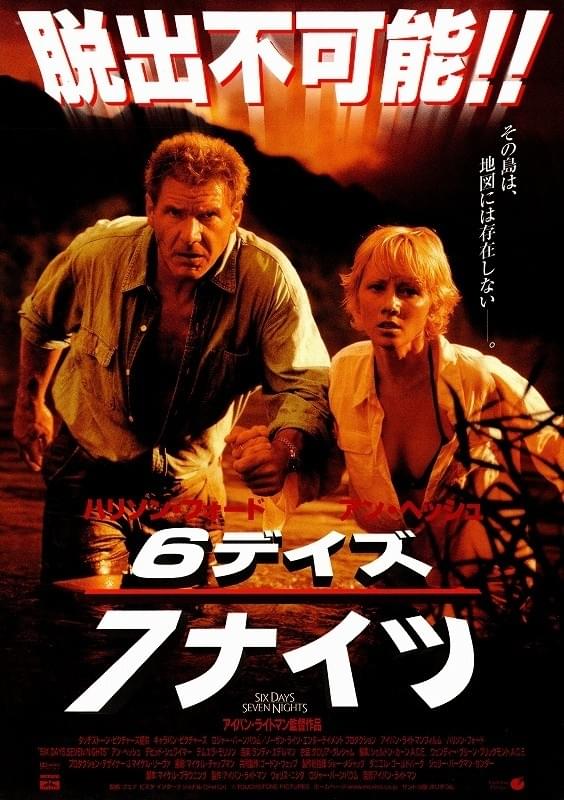
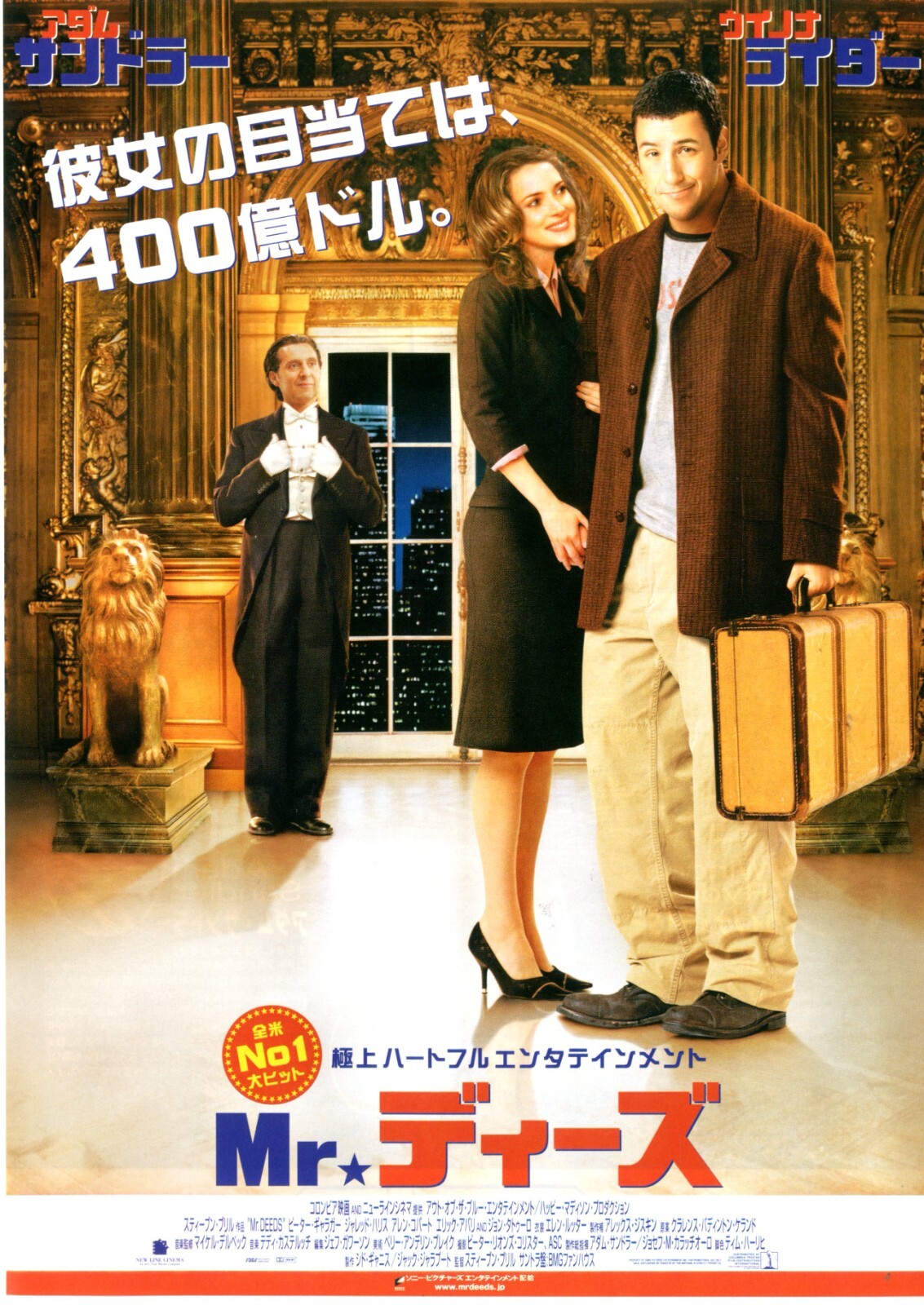
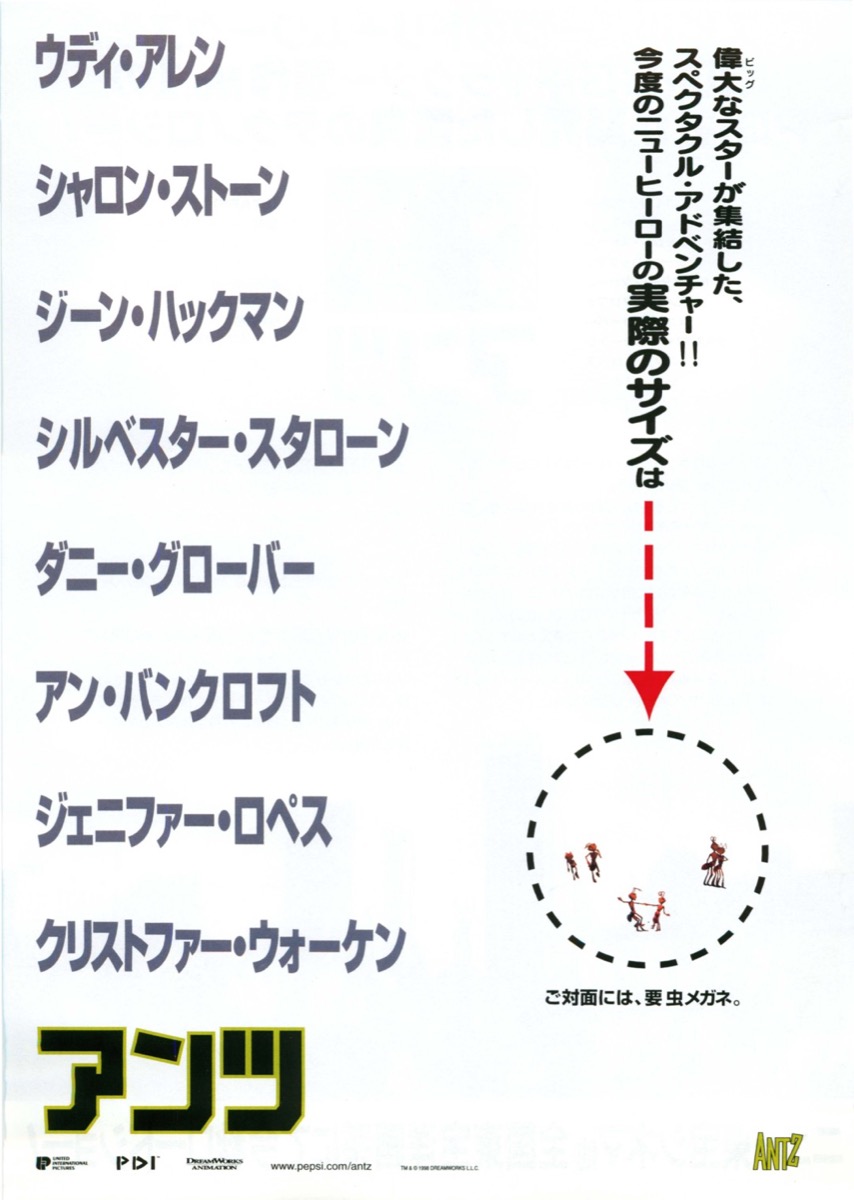
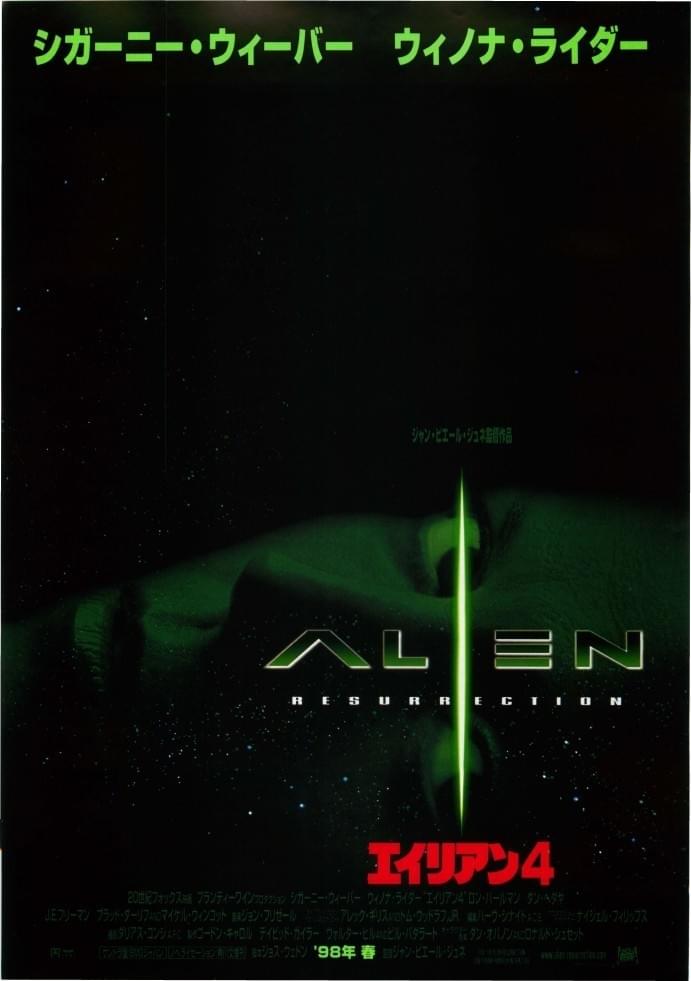
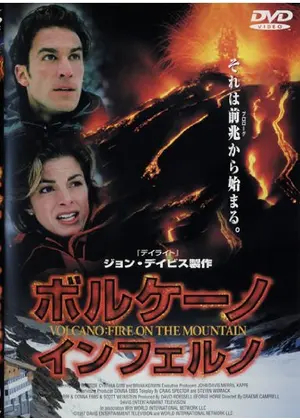
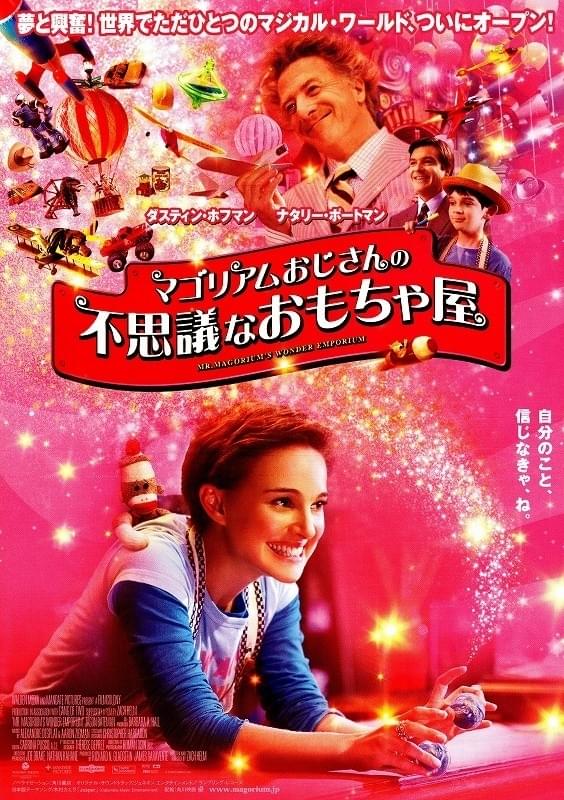
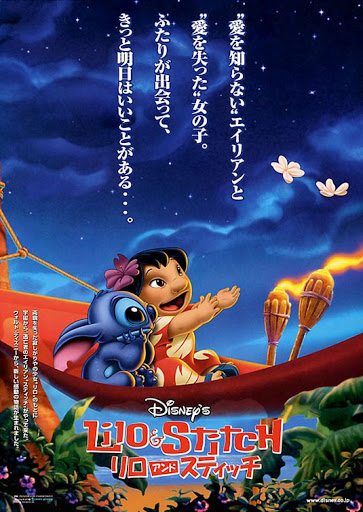
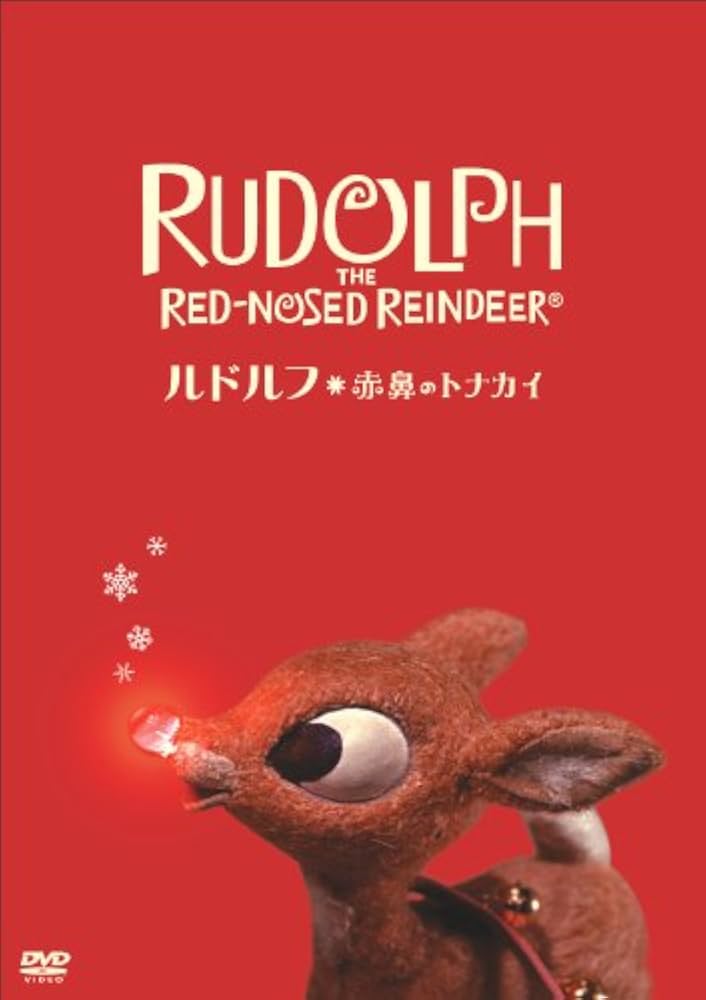
IDX/SUB (DVD)


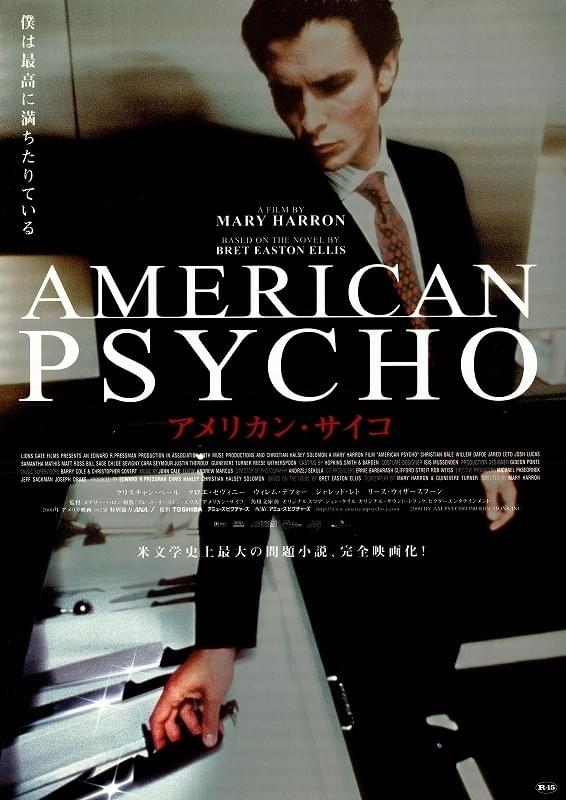


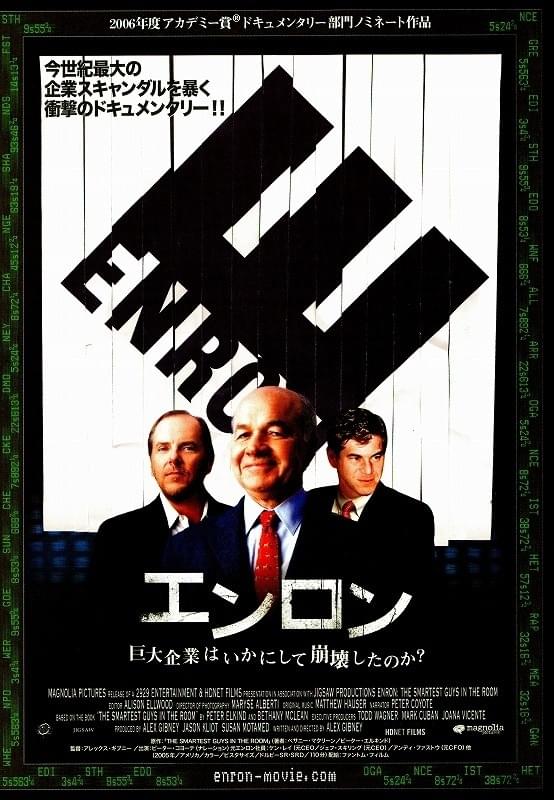
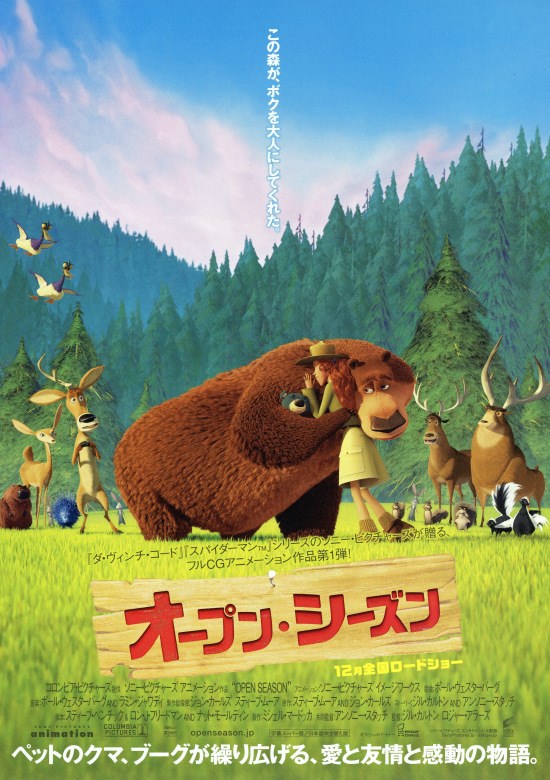









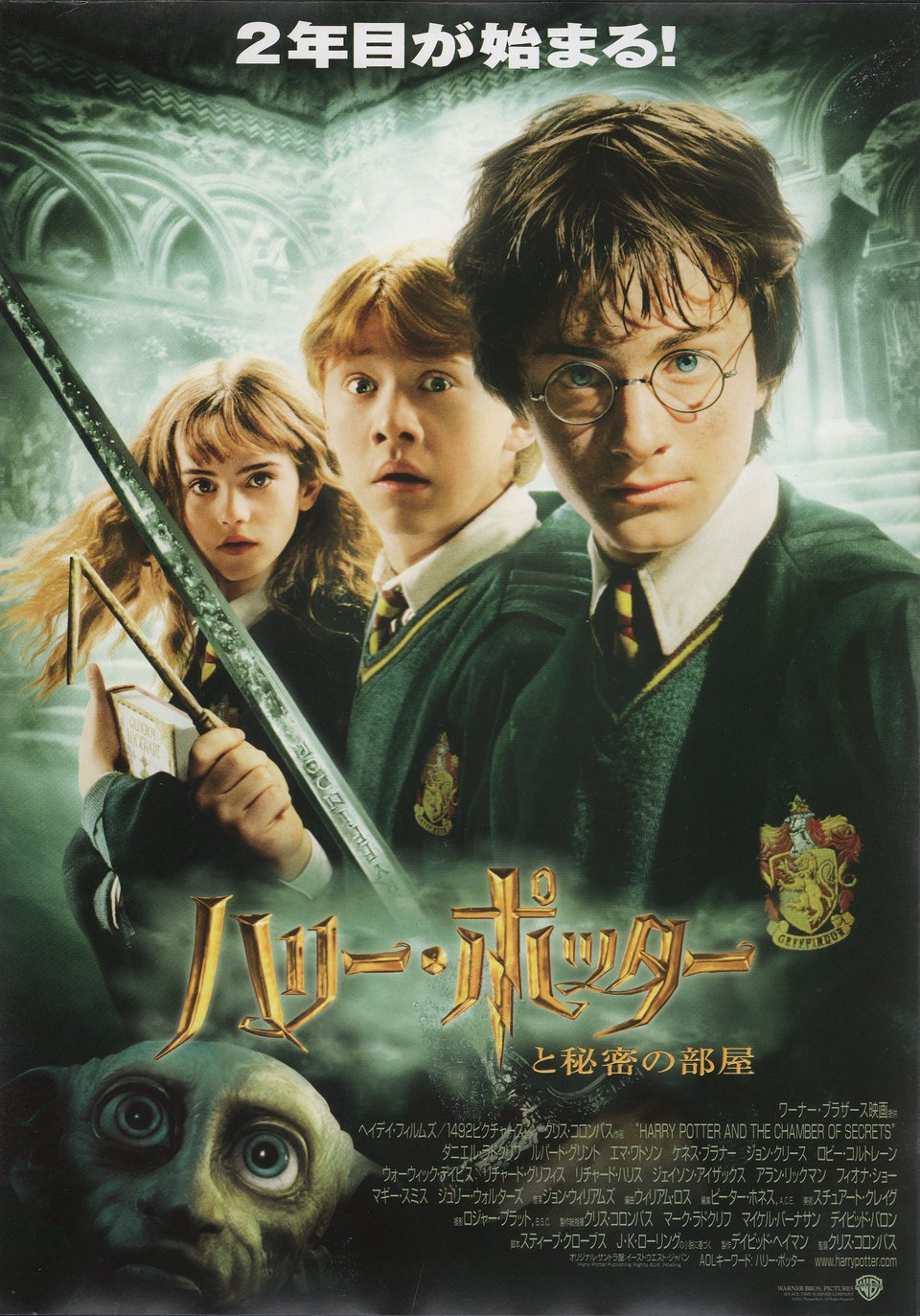


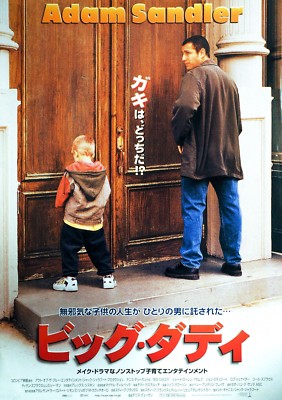
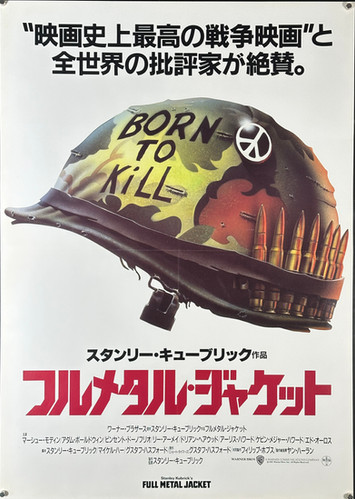
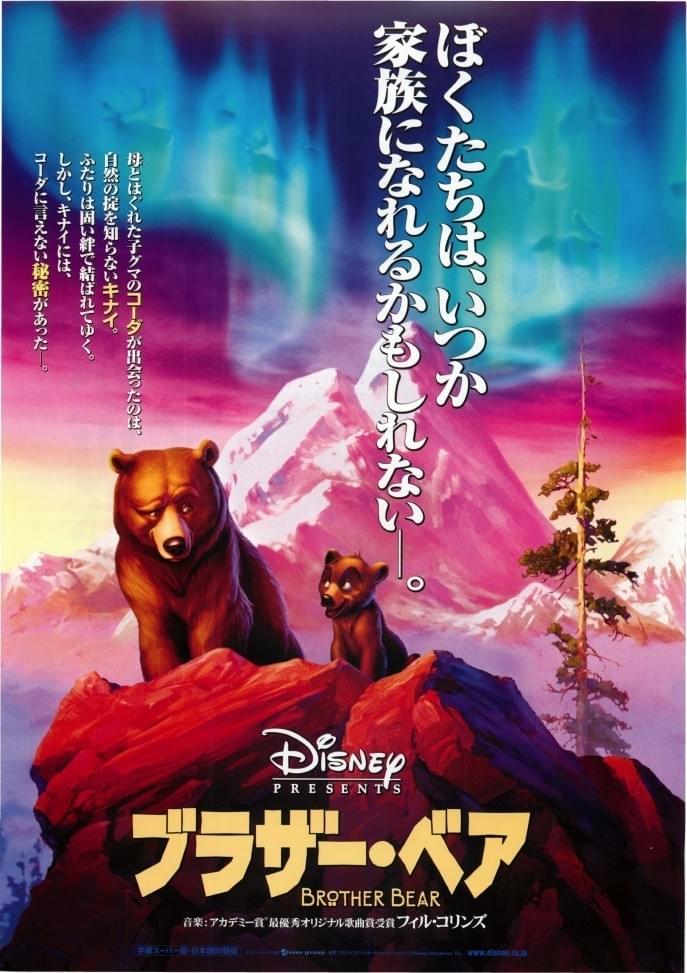





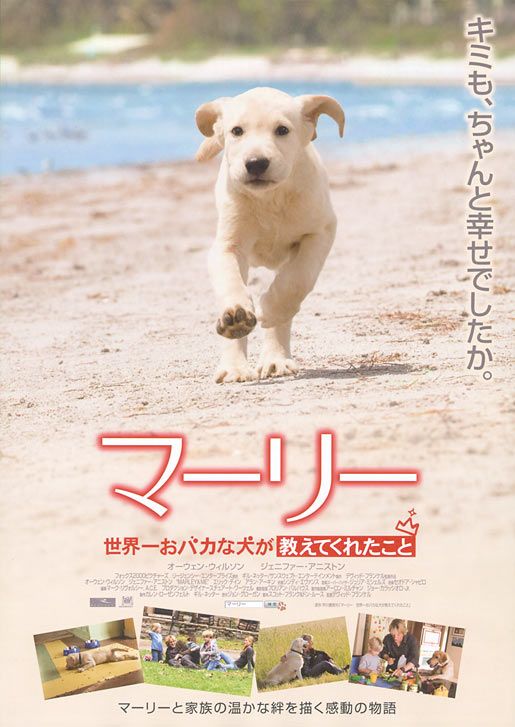


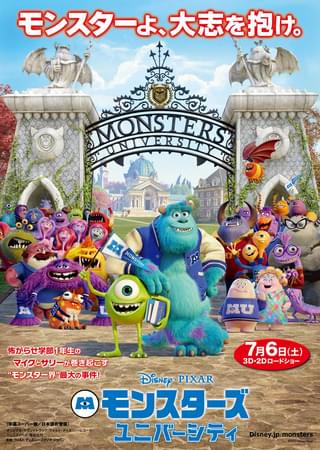
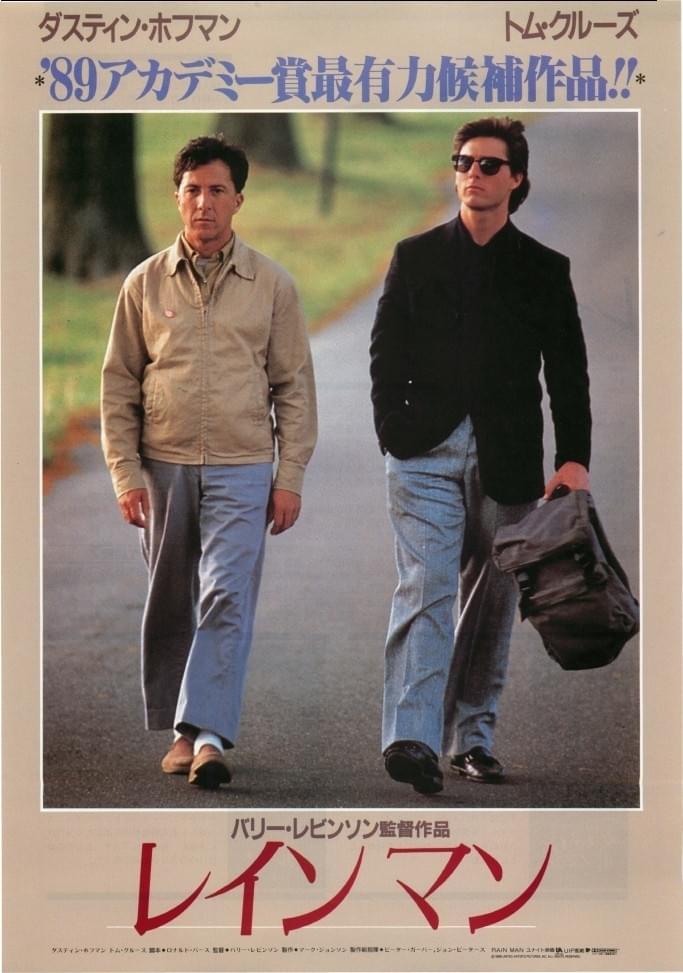
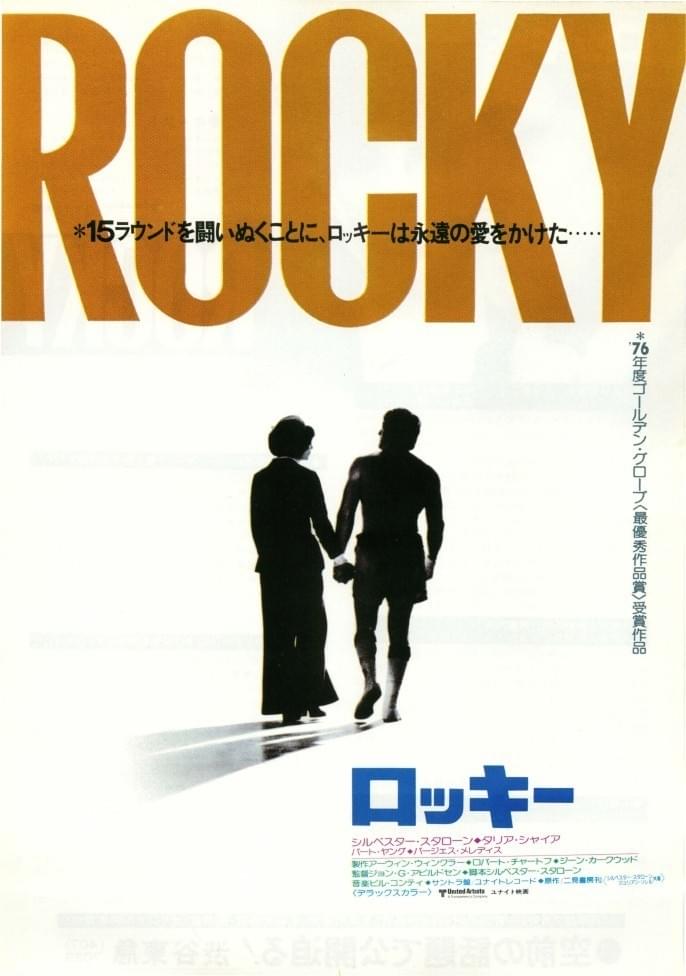


PGS (BLU-RAY)